Why Careful Tree Management Matters in Gardens with Limited Space
Trees can bring shade, privacy and natural beauty to a garden, but managing them can become challenging when outdoor space is limited. As trees mature, their branches and root systems can extend into areas used for patios, pathways, lawns and garden structures. Without appropriate maintenance, excessive growth may restrict access, reduce natural light and affect the balance of the surrounding landscape.
For homeowners in Thrapston, Northamptonshire, careful tree management is particularly important when making the most of smaller gardens. Professional tree surgery helps keep growth under control while maintaining the health, structure and appearance of trees. With the right approach, it is possible to enjoy the benefits of established trees without allowing them to dominate the available space.
Preventing Trees from Overcrowding Small Gardens
In gardens with limited space, even one mature tree can have a considerable influence on the surrounding environment. Expanding branches may extend over seating areas, fences and neighbouring planting beds, leaving less room for everyday garden activities.
Overcrowded growth can also make gardens feel darker and more enclosed. Dense canopies may prevent sunlight from reaching lawns and smaller plants, while closely positioned trees can compete for available growing space.
Regular tree assessments help identify where growth is becoming excessive. Selective pruning can remove unsuitable branches and improve the overall balance of the tree without unnecessarily reducing its natural character.
Managing Branch Growth Around Buildings and Garden Features
Trees growing close to houses, sheds, fences and other garden structures need careful attention. As branches become longer and heavier, they may begin to interfere with rooflines, gutters, outdoor seating areas and access routes.
In confined gardens, there may be limited room for branches to grow without creating obstructions. Regular pruning helps maintain suitable clearance and reduces the likelihood of branches rubbing against nearby structures.
Crown reduction may be appropriate where a tree has become too large for its surroundings. This involves carefully reducing selected branches to decrease the overall height or spread while maintaining a balanced shape.
A professional tree surgeon can assess the tree’s structure and determine how much growth can be removed without affecting its long-term health.
Improving Light and Air Circulation Through Crown Thinning
A dense tree canopy can significantly reduce the amount of natural light reaching a small garden. This may affect lawns, flower beds and plants that require adequate sunlight to grow successfully.
Crown thinning is a useful tree surgery technique that involves selectively removing branches throughout the canopy. The aim is to reduce excessive density while retaining the tree’s overall shape and size.
Improved air circulation and light penetration can make the surrounding garden feel more open and create better conditions for other plants.
However, thinning should always be carried out carefully. Removing too many branches can stress the tree and encourage unwanted growth, so the work should be appropriate for the species and condition.
Considering Root Growth in Restricted Outdoor Spaces
Although branches are the most visible part of a tree, its root system also needs consideration when managing a garden with limited space.
Depending on the species and growing conditions, roots may extend beneath lawns, pathways and nearby garden features. In some circumstances, they can contribute to uneven surfaces or make planting in certain areas more difficult.
Before undertaking significant landscaping or installing new garden features, it is worth considering the location and growth characteristics of existing trees.
Professional advice can help establish whether a tree is suitable for its current position and whether any maintenance is needed. It is important to avoid cutting major roots without specialist guidance, as this can affect the tree’s stability and health.
Maintaining Tree Health in Confined Gardens
Trees growing in restricted spaces may face competition for light, water and nutrients, particularly when several plants or trees are established close together.
Regular inspections help identify signs of poor health, including deadwood, discoloured foliage, fungal growth, damaged bark and unusual changes in development.
Removing dead or damaged branches can improve the tree’s condition and reduce potential hazards. Where necessary, further maintenance can be recommended to address structural weaknesses or unsuitable growth.
Careful management is about maintaining a healthy tree rather than simply keeping it small. The correct pruning techniques help preserve its natural structure while ensuring it remains suitable for the available space.
Choosing the Right Tree Surgery for Your Garden
Different garden conditions require different approaches to tree maintenance. Depending on the tree’s size, species, condition and position, suitable services may include:
- Crown reduction to manage excessive height or spread.
- Crown thinning to reduce canopy density and improve light penetration.
- Tree pruning to remove unsuitable or overextended branches.
- Deadwood removal to eliminate dead and damaged limbs.
- Hedge cutting to maintain boundaries and improve garden access.
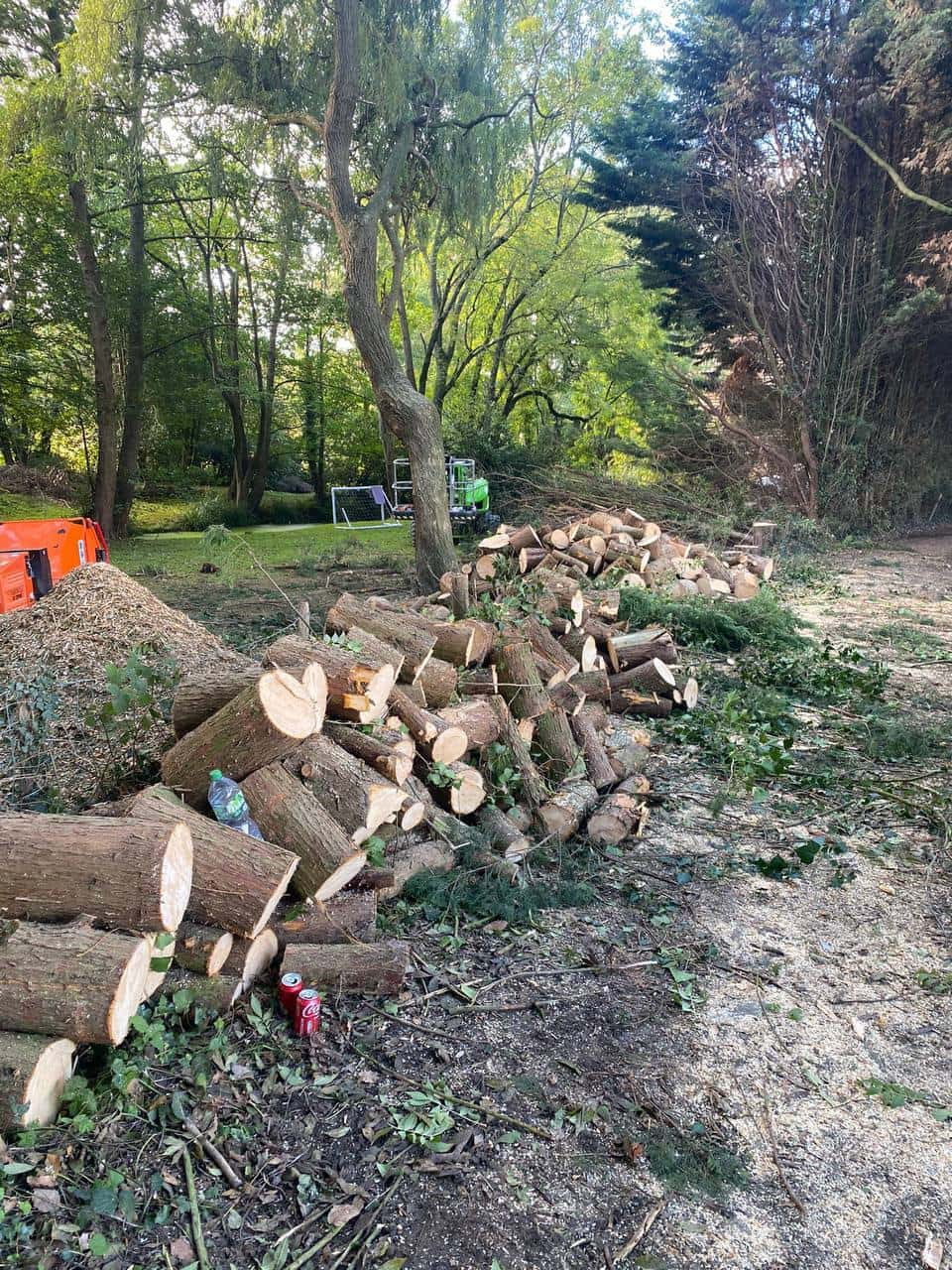
- Tree removal where a tree is no longer suitable for its location.
A professional assessment helps determine which service will provide the best outcome. This is particularly important in smaller gardens, where unnecessary cutting can affect the appearance and balance of the entire outdoor space.
At Thrapston Tree Surgeons, careful assessment and appropriate tree maintenance help homeowners manage their outdoor spaces while preserving the condition of their trees.
Conclusion
Careful tree management is essential for maintaining attractive, functional gardens where available space is limited. Controlling excessive branch growth, improving natural light, monitoring root development and addressing damaged limbs can all help prevent trees from becoming difficult to manage.
For homeowners in Thrapston, Northamptonshire, professional tree surgery provides a practical way to maintain healthy trees while making better use of valuable garden space.
If your trees are becoming overgrown or restricting the use of your garden, Thrapston Tree Surgeons can assess their condition and recommend suitable maintenance. Get in touch to arrange a professional tree surgery assessment and keep your outdoor space healthy, safe and well maintained.
Call us on: 01832 770 681
Click here to find out more about Thrapston Tree Surgeons
Click here to complete our contact form and see how we can help with your tree needs.